01
EVIDENCE
Sources stay attached
Every claim keeps a route back to the material behind it.
 Lenselot
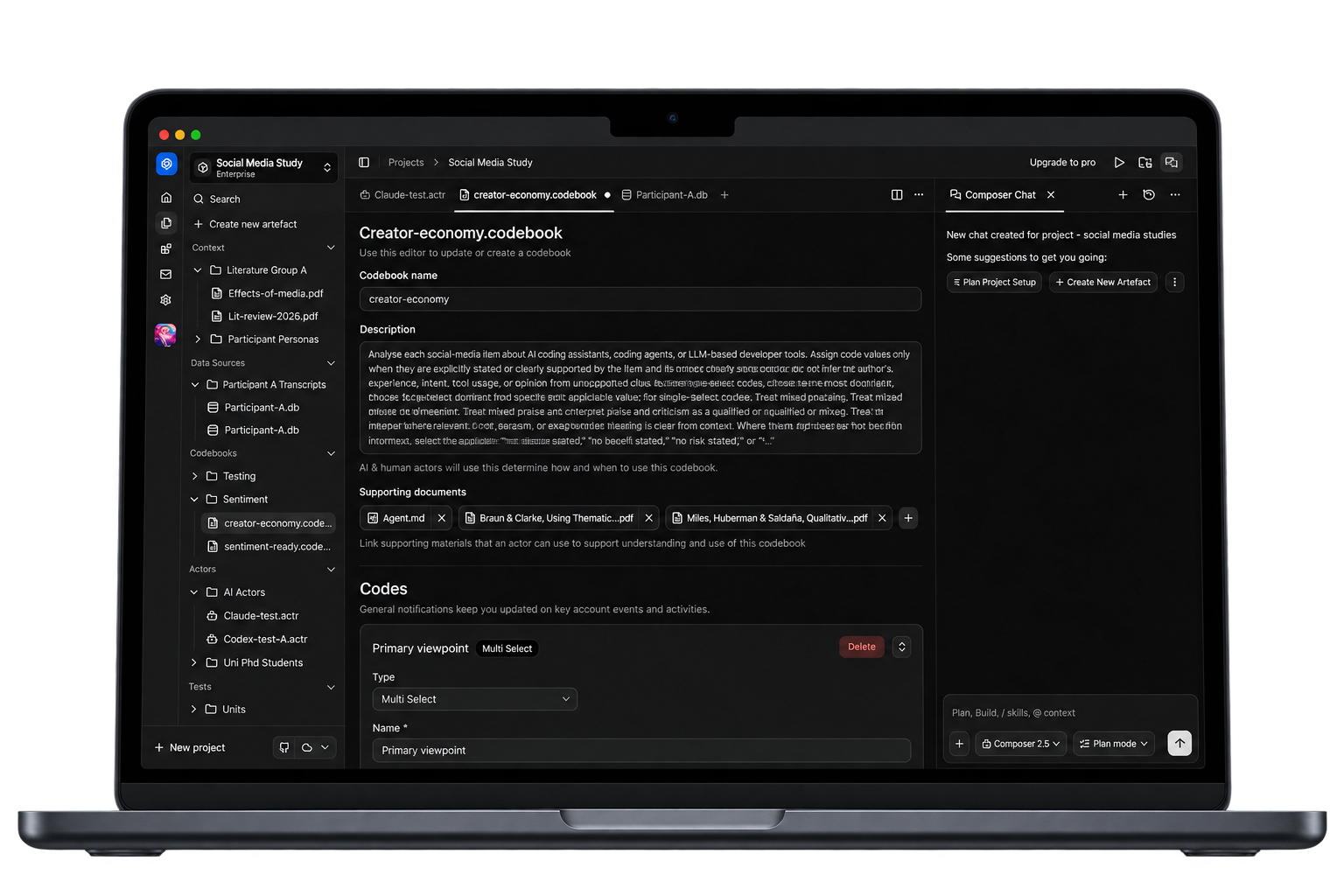
One environment for your entire research process, evidence,
frameworks, methods and history, all in one place.
Private early access. Built with researchers.
Built and trusted by researchers


PRIVATE EARLY ACCESS
Join the waitlist for product updates, early access and invitations to shape what we build next.
THE PROBLEM
Valuable thinking gets fragmented across tools, trapped inside projects, or condensed into a final output with the process behind it lost.
WHAT GETS LOST
The final answer survives.
The path to it often doesn't.
WHAT SHOULD STAY ATTACHED
01
EVIDENCE
Every claim keeps a route back to the material behind it.
02
FRAMEWORKS
Methods and analytical structures remain available beyond one project.
03
REASONING
Interpretive steps remain visible instead of disappearing into the output.
04
HISTORY
Research decisions can be revisited as the work evolves.
See how Glen preserves the path from evidence to finding.
HOW A FINDING IS BUILT
01
Interview, literature, survey
02
Evidence-linked coding
03
Inductive + deductive analysis
04
Traceable, defensible insight
ONE ENVIRONMENT, NOT ANOTHER TOOL
Working together.
Glen preserves the connections between source, method, reasoning and finding, while fitting around the tools researchers already use.
FOR PEOPLE WHO HAVE TO EXPLAIN HOW THEY GOT THERE
If your insight has to be trusted by a client, stakeholder, team or reviewer, Glen is being built for you.
METHOD
The visual model changes with the research logic.
CURRENT PATH
LIVE METHOD VIEW
EVIDENCE FIELD
Participant source
Observation source
Published source
Explore evidence without a predefined framework
Trust + process
Evidence + history
Patterns become a reusable structure
FINDING
It remains connected to the evidence and analytical steps that produced it.
EARLY ACCESS
Start with Glen now, then choose the level of collaboration and support your research needs.
RESEARCHER
For independent researchers and early access users.
TEAM
PopularFor research teams building shared knowledge.
ENTERPRISE
For organisations that need security, scale and support.
No payment required for early access. Enterprise plans are scoped around your organisation.
One connected environment, without replacing the tools you already use.
THE PEOPLE BEHIND GLEN
Built with people who've sat where you're sitting.
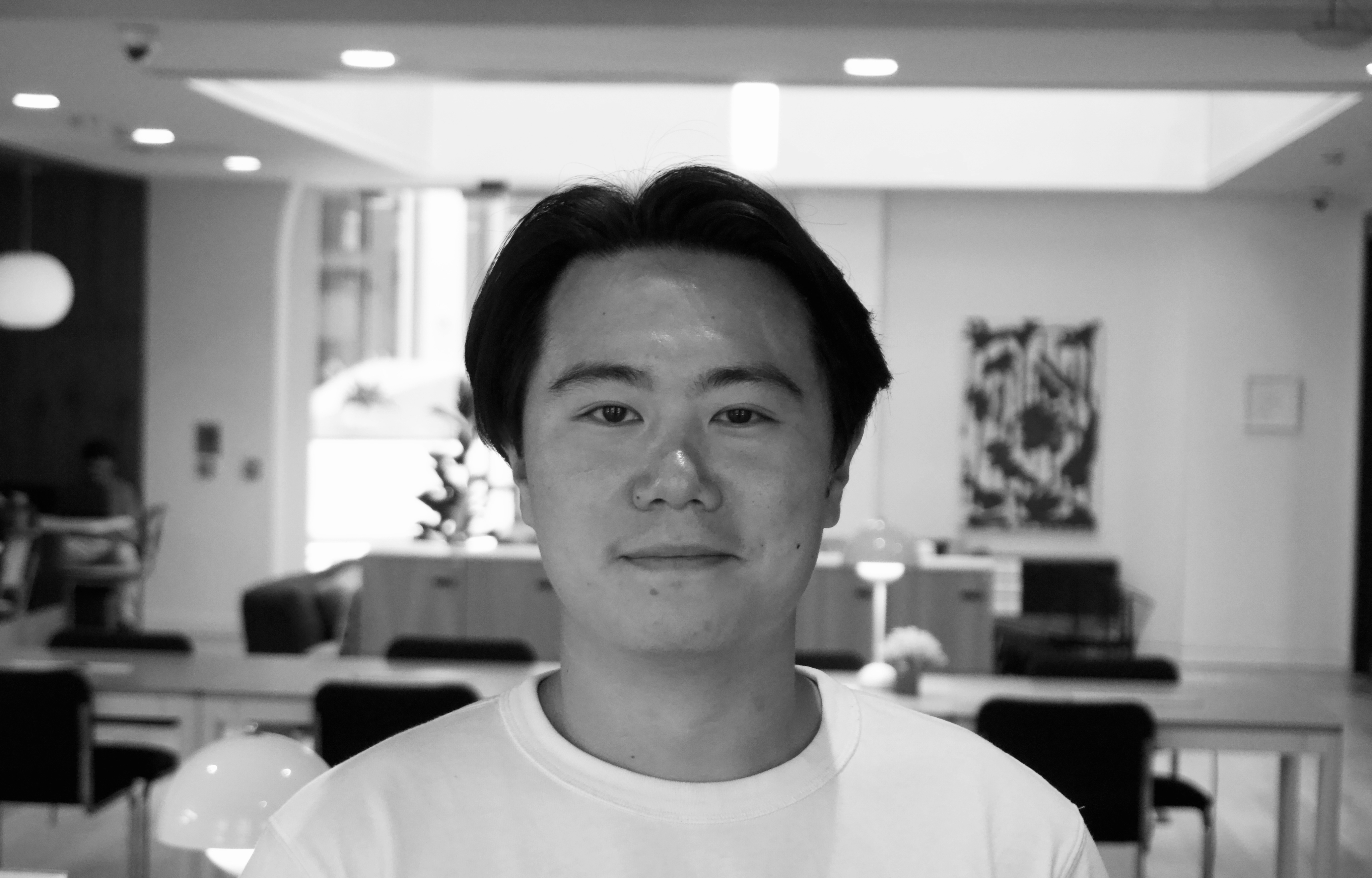
Co-founder & CEO
Machine Learning & AI
Data scientist and AI specialist experienced in leading applied AI and machine-learning projects and turning complex research workflows into usable systems.

Co-founder & CGO
Growth & Marketing
Growth and marketing leader with over a decade of experience building and scaling high-performing campaigns, teams and delivery.
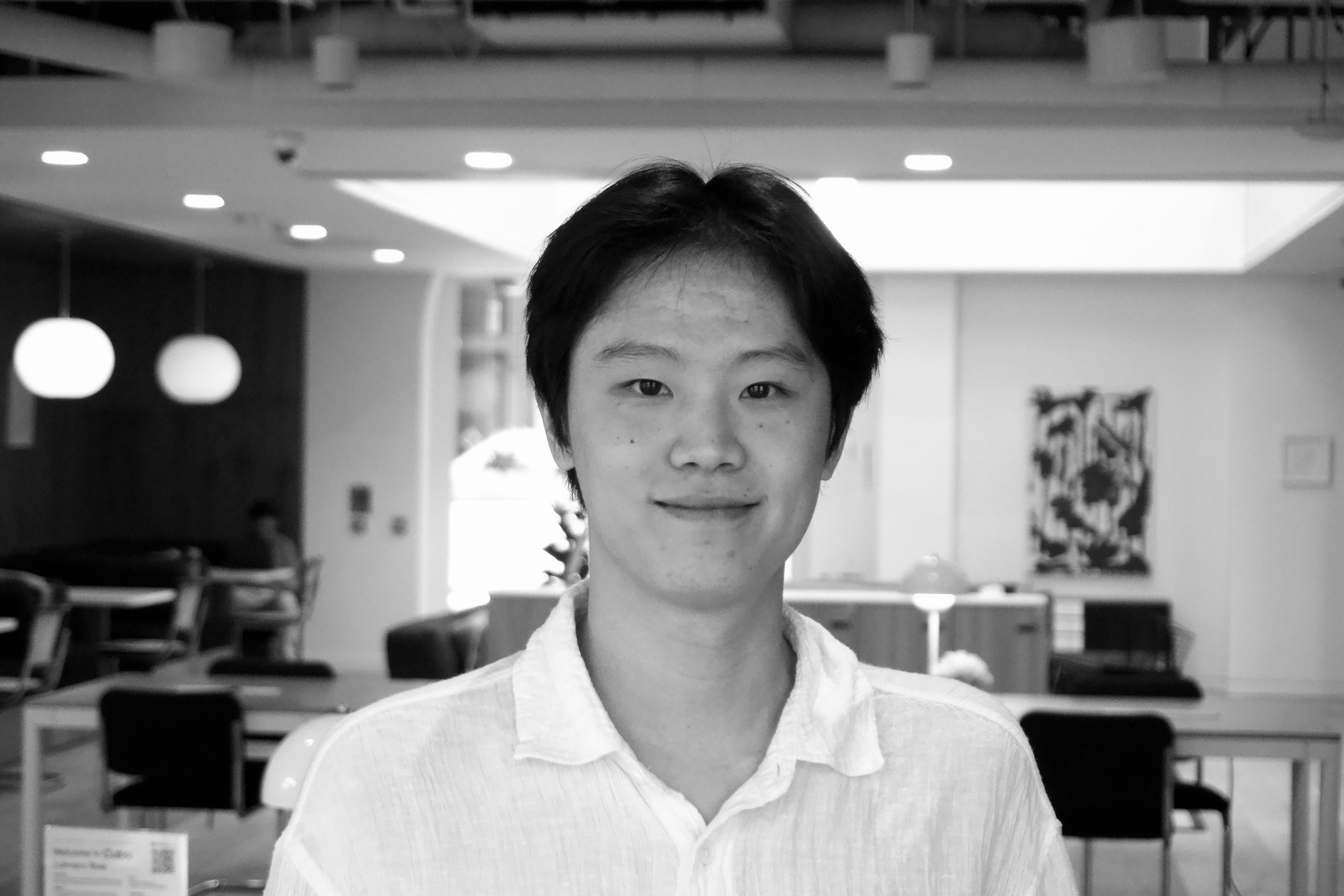
Co-founder & CRO
Academic Research & Methodology
PhD researcher specialising in content research and social media methodology, bringing academic rigour to how Glen supports structured, defensible research.
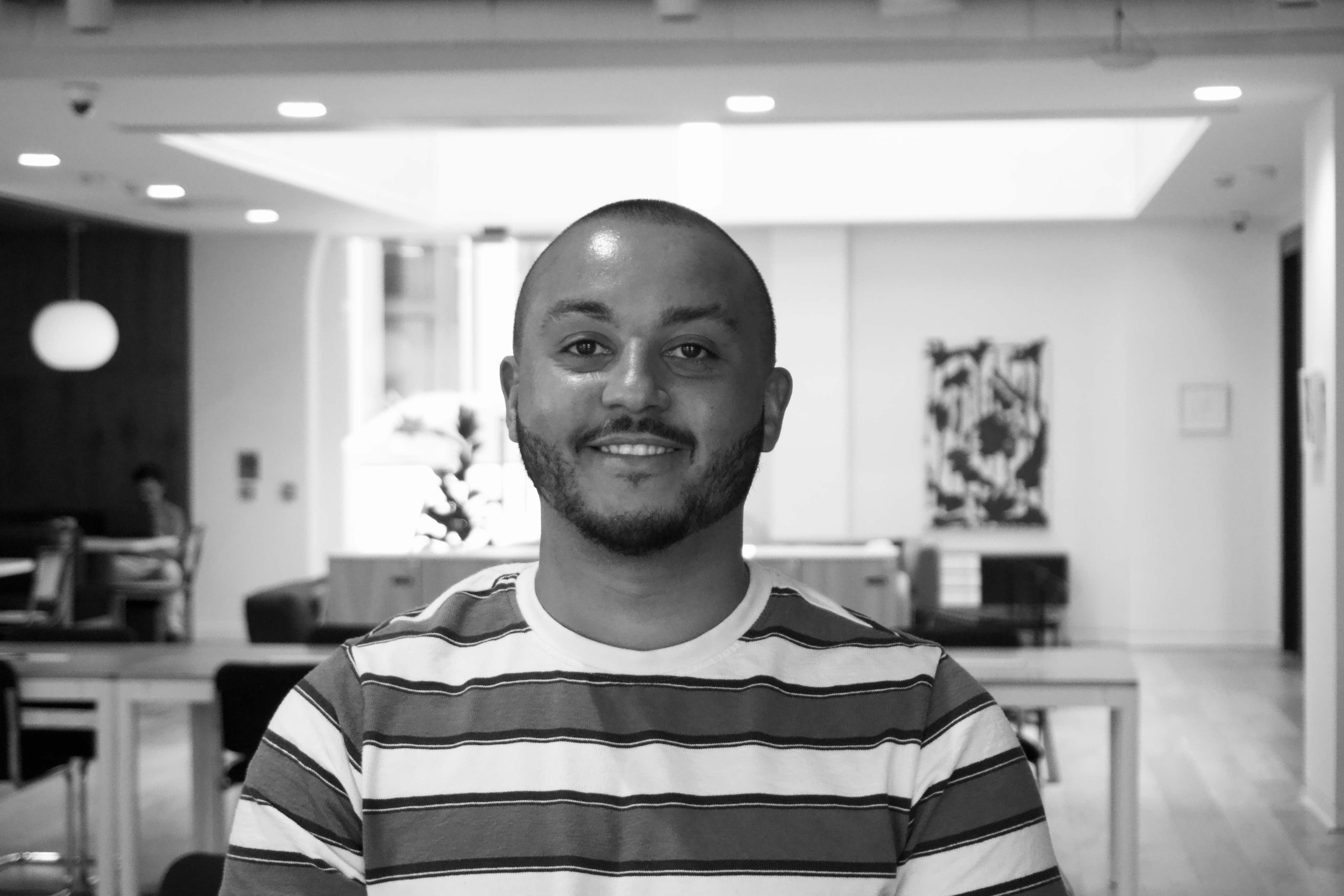
Co-founder & CPO
Product & Technology
Software and product leader with more than 10 years of startup experience, combining product development with a background in computational neuroscience and AI research.
Join the private early-access Glen Integrated Research Environment.
Join waitlist


